

If you’re tired of seeing your competitors outrank you in search results. But you know your service or product is much better.
Maybe you’ve already created your Google Business Profile, put some keywords on your website, but the results are still fluctuating—you’re not getting anything consistent to trust.
The truth is, if you’re not showing up when people search for “near me,” you’re missing out on opportunities every day. And since 80% of people search for local businesses online every week, local SEO is no longer a luxury, it’s a necessity.
This how to dominate local seo article will walk you through the steps to master local SEO. Think of it as your roadmap—the path to being in the right place, at the right time, and ultimately getting in front of qualified customers.
Why Local SEO Actually Matters
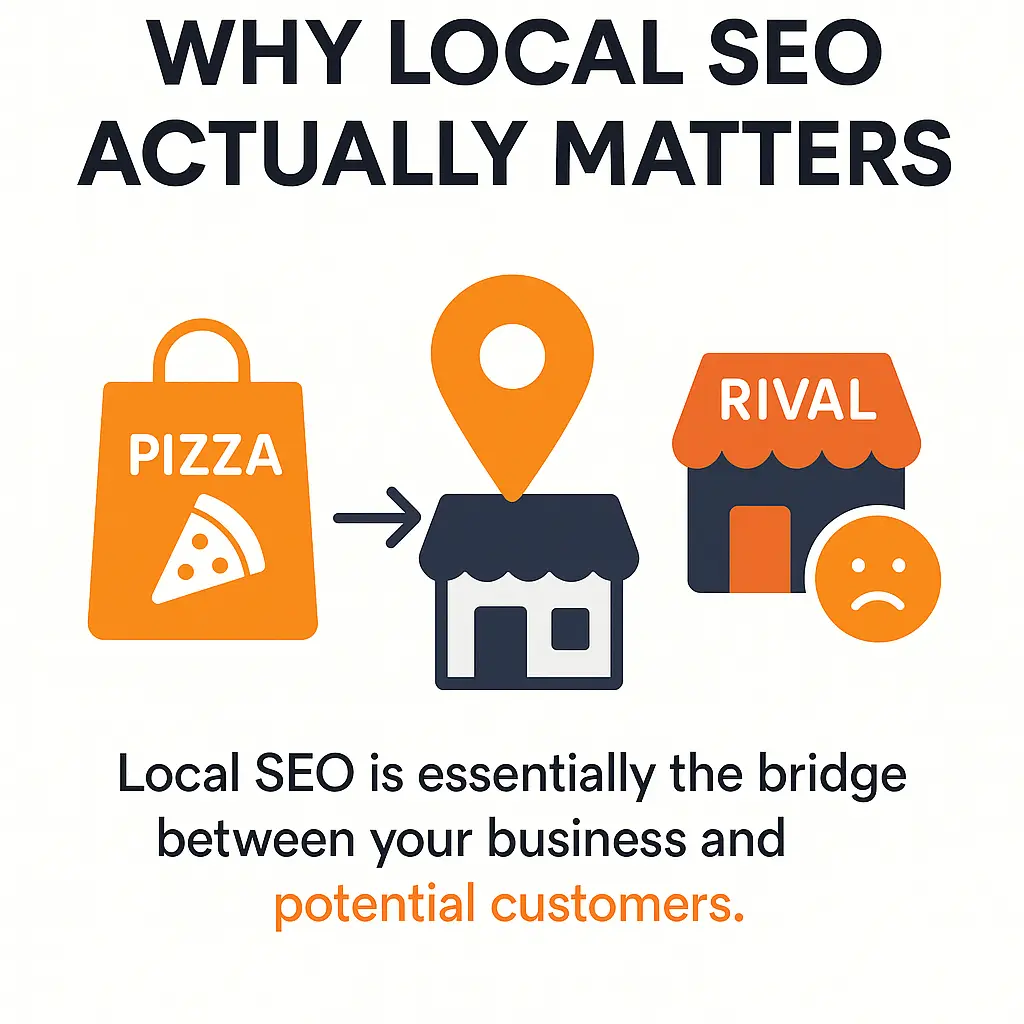
Imagine—someone hungry and searching for “best pizza near me.”
What if your store doesn’t show up? The answer is simple—they’ll order from your competitor. And you’ll lose money, credibility, and maybe even a brand new customer.
Local SEO is essentially the bridge—between your business and the customers who are looking for your product or service right now.
If you ignore it:
- Competitors will steal all the leads.
- Your profile will look empty or untrustworthy.
- Calls, bookings, and sales—all will drop.
But if you do it right? You’ll get more inquiries, more traffic, more store traffic, and real customers.
What It Means to Dominate Local SEO
“Dominance” doesn’t just mean showing up in a search or two. It means consistently being at the top whenever someone searches for services in your area.
This means:
- A complete and active Google Business Profile.
- Accurate citations in trusted directories.
- Website optimization with location-based content.
- Collecting real reviews.
- Monitoring metrics.
So you’re not just showing up—you’re standing out.
The Foundation: Your Google Business Profile
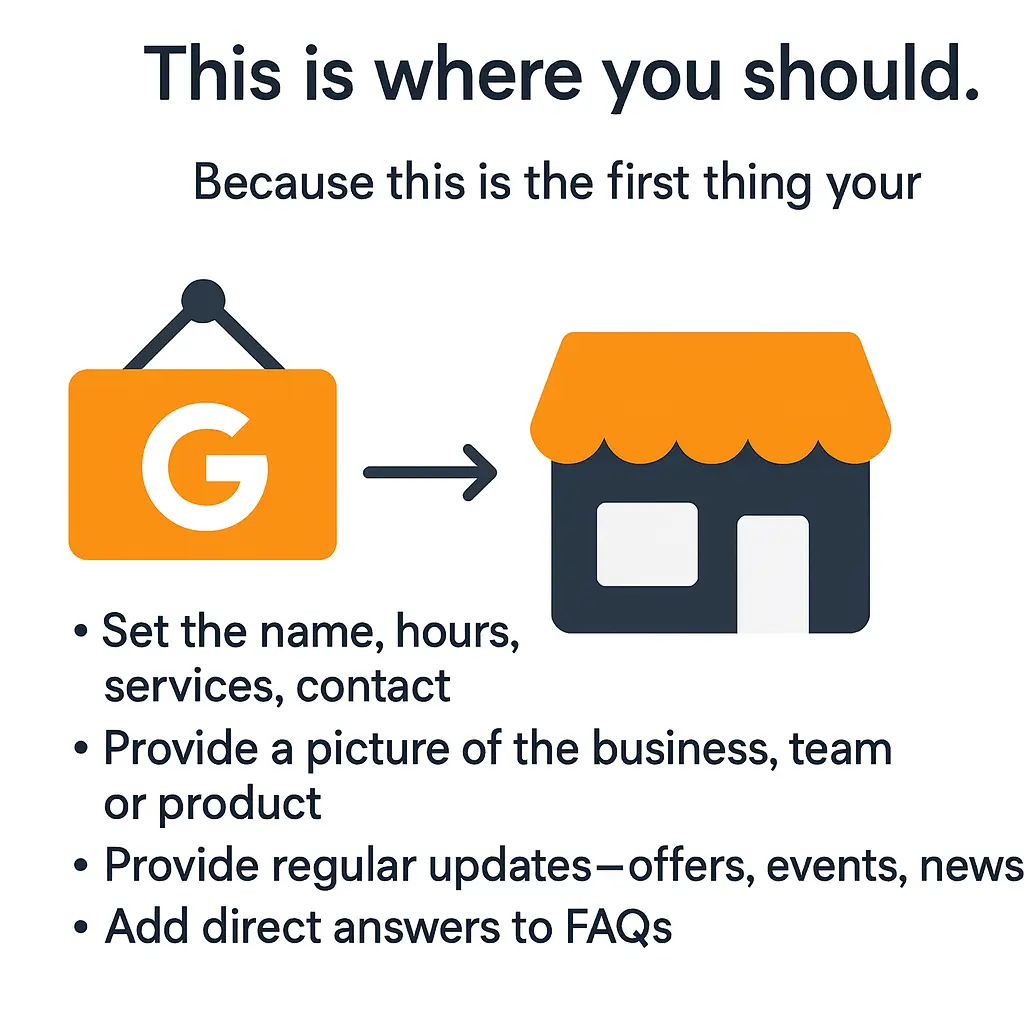
This is where you should start.
Because this is the first thing your customers will see. So, it should be left incomplete.
What you need to do is:
- Set the name, hours, services, contact.
- Provide a picture of the business, team or product.
- Provide regular updates—offers, events, news.
- Add direct answers to FAQs.
Think about your 24/7 store. How nice it sounds, if the store is open 24 hours, Google will show you more.
Local Citations: The Secret Trust Factor
Citation means saving your business name, address, and phone number (NAP) on various websites. For example, the big citations—Yelp, Yellow Pages, local blogs, etc. The job of all these websites is to list your website, like mine.
What’s important? The same information, everywhere.
“123 Main Street” and “123 Main St.” can look different to Google. This can lead to confusion and lower rankings.
So make sure you match every detail exactly across all platforms.
Using Local Keywords the Smart Way
Many people fill in the wrong city name over and over again. This is annoying to customers.
Instead, use it wisely:
Include the city name in the title and meta description.
If you provide services in multiple areas, create a separate page for each location.
Write about local events, news, and tips on your blog.
For example, instead of just writing “Why Pipes Leak,” writing “5 Common Causes of Pipe Problems in Salt Lake Homes” will be much more relevant to customers.
Reviews: Your Reputation Engine
Reviews are the key to this digital store. If this is very strong, people will trust you, then this will lead to sales.
Because 90% of people read reviews before making a decision. Google also sees this as a ranking signal.
So? Encourage customers to leave reviews. And of course reply.
Get positive feedback from your customers and thank them. If it is negative, resolve it politely. This will increase people’s trust and Google will also understand that you are trustworthy.
Multi-Location SEO: Scaling Without Confusion
If you have more than one branch, you can do the strategy a little differently. I’ll give you a formula.
The formula is:
- A separate page with unique content for each location.
- Create a separate Google Business Profile.
- Collect reviews for each branch separately.
- Local backlinks—sponsoring events, being featured on local blogs, etc.
Present each branch as a separate business online.
Technical Local SEO: Don’t Overlook This
This time, not only the content but also the technical aspects of the website are important.
Checklist:
- Mobile-friendly design should be created.
- Fast loading speed of at least 3s.
- Clear contact information should be provided in the footer.
- Schema Markup (so that Google can easily understand who you are and where you are).
Rich snippets can be found in search results with Schema Markup. We do these things correctly.
How to Measure If It’s Working
Not just by looking at traffic. Look at:
- Are you in the top 3 on Google Maps?
- Are calls and direction requests increasing?
- Are reviews increasing?
- Are leads being converted into real customers?
If nothing happens month after month, you know there’s a gap somewhere.
Final Thoughts: Your Next Step
Local SEO is nothing to be afraid of. With the right steps, consistency, and a few simple steps, you can outdo your competitors.
Local SEO means presenting your business online in such a way that when customers search nearby, you always come in front of them.
This requires keeping your Google Business Profile fully updated and active, keeping your name, address, and phone number (NAP) consistent across citations and directory listings, creating content using local keywords,
collecting reviews and responding quickly, creating separate pages and profiles for each location if you have multiple locations, and ensuring technical SEO (mobile-friendly, fast loading, Schema markup).
The question is no longer “should I do it or not.” The question is, “How much business are you losing by waiting?”
If you want to know what this could mean for your business, talk to us. Found Local Marketing is here to help you sustainably grow your business using local SEO.
Your customers are searching right now. The question is—will they find you, or your competitors?


